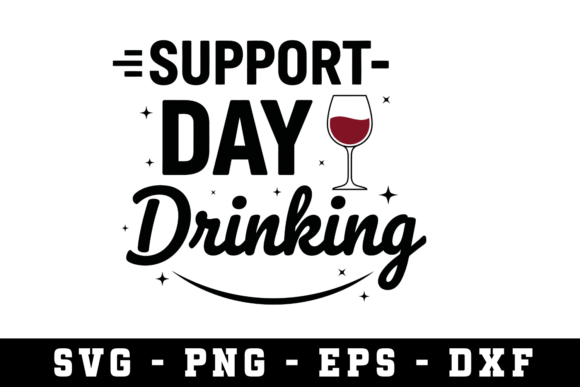
Support Day Drinking SVG Cut File Guide
Elevating your creative portfolio begins with selecting assets that blend humor, precision, and technical versatility. For designers and craft entrepreneurs looking to expand their merchandise offerings, the Support Day Drinking Svg Svg Cut File represents more than just a trendy phrase; it is a robust digital asset designed for high-quality production across various mediums. In the realm of modern graphic design, the ability to adapt a single visual concept into multiple formats is crucial for maintaining brand consistency while maximizing output efficiency.
Welcome to my shop SVG Cut File is perfect for all your DIY projects or handmade business product lines. You can create T-shirts, Wood Signs, Mugs, Tumblers, Ornaments, Cards, Party Décor, and more for yourself and others. This listing includes a ZIP folder containing the following formats SVG PNG EPS DXF Q How do I unzip the files A To unzip the files, you will need software such as WinZip or 7-Zip. You can download this software for free from their websites. Once you have installed the software, right-click on the zip file and select “Extract All” or “Extract Here”. You will then see the files in a folder.
The Role of Versatile Assets in Visual Design
In professional graphic design, the utility of a creative asset is defined by its scalability and compatibility. A well-constructed SVG (Scalable Vector Graphics) file ensures that your design maintains crisp edges and perfect clarity regardless of size. Whether you are designing a small sticker for packaging design or a large banner for an advertising campaign, vector-based files allow for infinite scaling without pixelation. This technical superiority is essential for maintaining a premium aesthetic in both print design and digital marketing materials.
When integrating such assets into your workflow, consider how they align with your overall brand identity. Consistency in typography and visual hierarchy helps reinforce recognition. Even when using playful or humorous themes, the underlying structure of the design should reflect professional standards. Clean lines, balanced composition, and appropriate spacing contribute to a polished look that appeals to a broader audience, from casual consumers to boutique retailers.
Practical Applications for Creative Projects
The versatility of high-quality cut files extends far beyond simple apparel. By leveraging formats like EPS and DXF alongside SVG and PNG, designers can unlock a wide range of creative possibilities. Here are several ways to integrate these assets into your design strategy:
- Merchandise and Retail Products: Use the files for heat-transfer vinyl on T-shirts or sublimation printing on mugs and tumblers. The durability of vector paths ensures clean cuts and vibrant prints.
- Social Media Graphics: The included PNG files are ideal for quick deployment on platforms like Instagram and Pinterest. They serve as engaging visual content that drives interaction and supports digital marketing efforts.
- Packaging Design: Incorporate elements of the design into custom labels or box inserts. This adds a unique touch to product presentation and enhances the unboxing experience for customers.
- Event Decor and Signage: Create cohesive party décor or wooden signs for events. The scalability of the files allows for large-format printing without loss of quality, ensuring impactful visual communication.
Optimizing Your Design Workflow
To get the most out of these creative assets, it is important to understand the specific strengths of each file format. SVG files are best for web design and cutting machines, offering lightweight code and precise paths. EPS files are the standard for professional print shops and editorial design, ensuring color accuracy and compatibility with industry-standard software like Adobe Illustrator. DXF files cater specifically to CAD users and certain cutting plotters, while PNGs provide ready-to-use raster images for UI design and social media posts.
When evaluating design elements, always prioritize readability and visual impact. Ensure that the typography complements the message and that the color palette aligns with your intended audience’s expectations. For instance, bold, sans-serif fonts may convey modernity and strength, while script fonts might add a touch of elegance or whimsy. Testing your designs on different backgrounds and materials can help identify potential issues before final production, saving time and resources.
Ultimately, the value of a design asset lies in its ability to facilitate effective communication. By choosing high-quality, versatile files, you empower your creative process, allowing you to focus on innovation rather than technical troubleshooting. Thoughtful integration of these resources not only enhances the aesthetic appeal of your projects but also strengthens the overall coherence of your brand narrative. Embrace the flexibility of modern design tools to create work that is both visually striking and functionally superior.