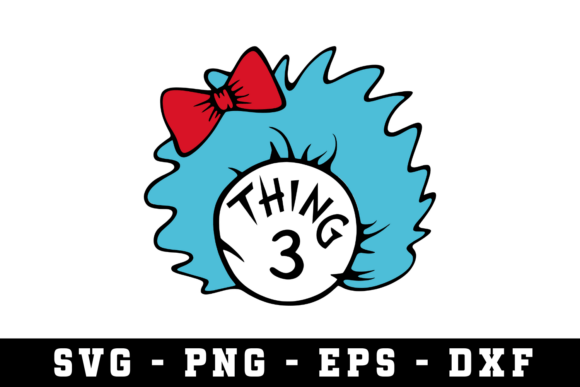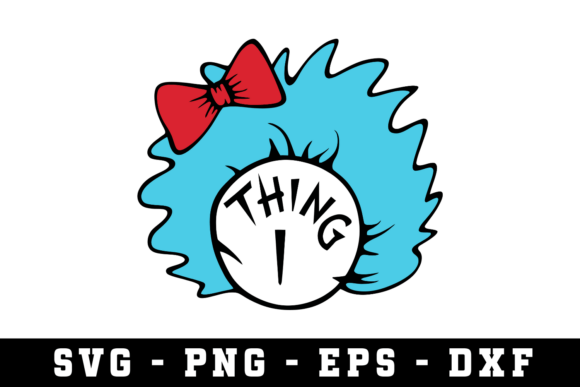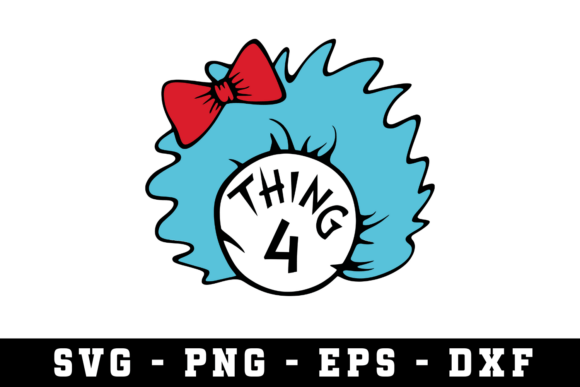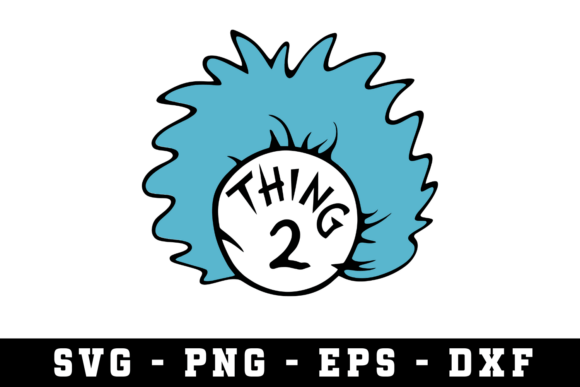
Thing 2 Svg Cut File: A Practical Guide for DIY Creators and Small Business Owners
In the rapidly evolving landscape of digital crafting and personalized merchandise, having access to high-quality, versatile design assets is not just a convenience—it is a operational necessity. The Thing 2 Svg Cut File represents more than a simple graphic; it is a foundational component for creators looking to streamline their production workflows. Whether you are a hobbyist creating gifts for family or an entrepreneur managing a small business product line, understanding how to effectively integrate this asset into your creative process can significantly enhance both efficiency and output quality.
This guide explores the practical applications of the Thing 2 SVG, detailing how it fits into broader project lifecycles, interacts with various cutting technologies, and supports consistent branding across multiple mediums. By focusing on implementation strategies rather than mere aesthetics, we aim to provide actionable insights for professionals who value precision and reliability in their craft.
Integrating Digital Assets into Your Creative Workflow
Before any physical material is cut or printed, the preparation phase determines the success of the final product. The Thing 2 Svg Cut File is designed to be a plug-and-play solution within this initial stage. Unlike raster images that require complex tracing and cleanup, Scalable Vector Graphics (SVGs) are resolution-independent. This means they maintain crisp edges regardless of the size at which they are printed or cut, from a small ornament to a large wood sign.
When incorporating this file into your workflow, consider its position in the pre-production timeline. It serves as the bridge between conceptualization and execution. For educators teaching design principles, this file offers a clear example of vector logic. For marketers developing promotional materials, it ensures brand consistency. The key is to treat the SVG not as a static image, but as a dynamic tool that adapts to your specific machine requirements.
Compatibility and Software Preparation
To utilize the Thing 2 Svg Cut File effectively, one must understand the software ecosystem that supports it. Most modern cutting machines, such as those from Cricut or Silhouette, rely on proprietary software that interprets vector paths. However, the versatility of this listing lies in its multi-format inclusion. The ZIP folder contains SVG, PNG, EPS, and DXF formats, ensuring compatibility with a wide range of design platforms including Adobe Illustrator, CorelDRAW, Inkscape, and Canva.
For users unfamiliar with handling compressed files, the initial step involves extracting the assets. As noted in standard technical procedures, you will need software such as WinZip or 7-Zip to unzip the files. These tools are widely available and often free. Once installed, the process is straightforward: right-click on the zip file and select “Extract All” or “Extract Here.” This action creates a dedicated folder containing the individual format files, keeping your workspace organized and preventing accidental modification of the original archive.
Material Versatility and Application Scenarios
The true value of a digital cut file is revealed in its application across diverse substrates. The Thing 2 Svg Cut File is engineered to perform well on various materials, allowing creators to expand their product offerings without needing multiple design versions. Below are several practical use cases where this asset adds significant value.
- Apparel Customization: When creating T-shirts, the SVG format allows for precise weeding of heat transfer vinyl (HTV). The clean lines ensure that intricate details remain intact during the pressing process, resulting in professional-grade garments suitable for retail or personal use.
- Hard Surface Decor: For wood signs and mugs, the durability of the design is paramount. The vector paths provide clear cut lines for vinyl decals that adhere smoothly to curved or textured surfaces, reducing air bubbles and alignment errors.
- Seasonal and Event Décor: Ornaments and party décor often require rapid production runs. The scalability of the SVG allows you to resize the design for batch production, ensuring every piece maintains uniform quality whether it is a small tree ornament or a large banner element.
- Paper Crafts and Stationery: Card makers benefit from the precision of the DXF and SVG files, which allow cutting machines to score and cut cardstock accurately, enabling complex layered designs that would be difficult to achieve by hand.
Quality Control and Consistency in Production
For small business owners, consistency is the cornerstone of brand reputation. Using a standardized file like the Thing 2 Svg Cut File minimizes variables in the production process. When you rely on a single, tested vector file, you eliminate the risk of pixelation or distortion that often occurs when converting low-resolution JPEGs or PNGs for cutting purposes.
Implementing a quality control checkpoint before full-scale production is advisable. Load the SVG into your design software and inspect the nodes and paths. Ensure that there are no stray points or open paths that could cause the cutting blade to drag or lift unnecessarily. This brief inspection can save material costs and reduce machine wear over time. Furthermore, because the file includes EPS and DXF formats, users with industrial laser cutters or CNC routers can also utilize the design, expanding the potential market reach beyond standard vinyl cutters.
Optimizing Efficiency for High-Volume Projects
Efficiency in crafting is not just about speed; it is about reducing friction in the workflow. The Thing 2 Svg Cut File supports this by being ready for immediate use. There is no need for extensive editing or tracing, which frees up time for other critical business tasks such as marketing, customer service, or inventory management.
Consider the workflow of a seasonal product launch. Instead of spending hours designing unique graphics for each item, you can deploy this pre-made asset across multiple product lines. Use the PNG version for digital mockups on your e-commerce store, the SVG for vinyl decals on tumblers, and the EPS for high-resolution printing on packaging inserts. This multi-channel approach ensures a cohesive brand presence while maximizing the return on investment for a single digital purchase.
Tips for Long-Term Asset Management
As your library of digital assets grows, organization becomes crucial. Store the extracted Thing 2 files in a clearly labeled directory structure, perhaps categorized by theme or project type. Back up these files regularly to cloud storage or external drives to prevent data loss. Additionally, keep a record of which machines and materials yield the best results with this specific design. Over time, this documentation becomes a valuable reference guide, helping you troubleshoot issues quickly and maintain high standards across all projects.
In conclusion, the Thing 2 Svg Cut File is more than a digital download; it is a strategic resource for anyone involved in DIY projects or handmade businesses. By understanding its technical requirements, leveraging its format versatility, and integrating it into a structured workflow, creators can achieve higher quality outcomes with greater efficiency. Whether you are producing a single custom gift or managing a scalable product line, this asset provides the reliability and flexibility needed to succeed in today’s competitive creative marketplace.