Thing 3 SVG: Creative Cut File Guide
There is a distinct joy in taking a digital concept and transforming it into a tangible object. Whether you are running a small business from your home studio or simply looking for a meaningful weekend project, the right design file can serve as the foundation for endless creativity. The Thing 3 Svg Svg Cut File offers precisely this kind of versatile starting point. It is not merely a graphic; it is a tool that bridges the gap between imagination and physical creation, allowing makers to produce professional-quality items with relative ease.
This specific design taps into a well-loved cultural aesthetic that resonates with a wide audience. By utilizing high-quality vector formats, creators can ensure that their final products maintain crisp lines and professional integrity, regardless of the size or material. Welcome to my shop SVG Cut File is perfect for all your DIY projects or handmade business product lines because it prioritizes usability and adaptability. When you invest in a design asset, you are investing in the potential of your own craftsmanship.
Unlocking Versatility Across Materials
One of the primary advantages of working with a comprehensive SVG package is the ability to experiment across various mediums. A single design can be reinterpreted in dozens of ways, depending on the substrate and the intended use. You can create T-shirts, Wood Signs, Mugs, Tumblers, Ornaments, Cards, Party Décor, and more for yourself and others. Each application requires a slightly different approach, but the core file remains the constant anchor.
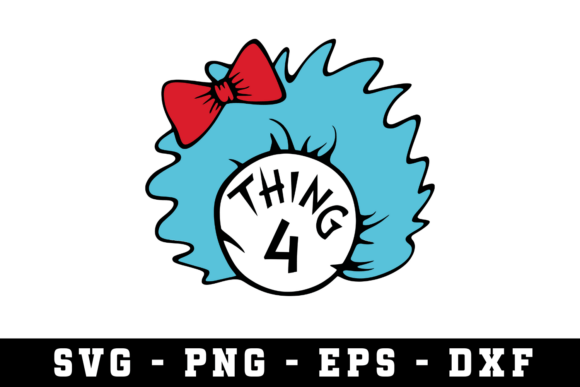
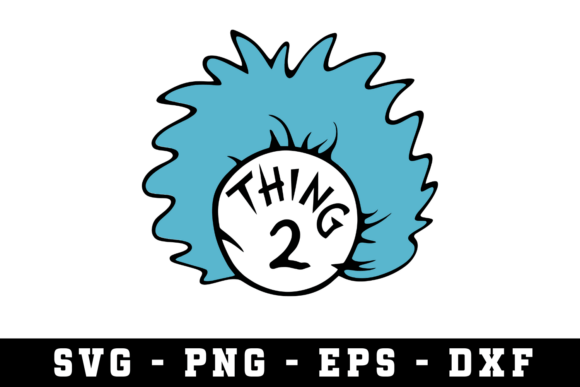
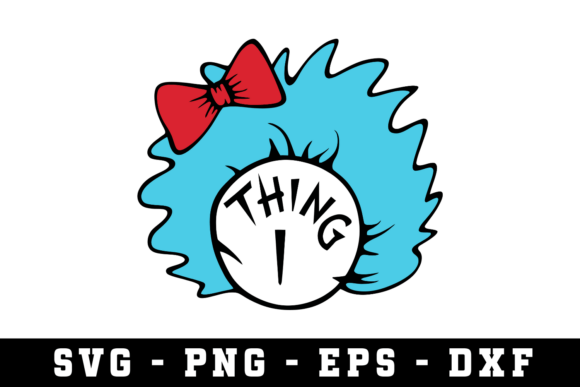
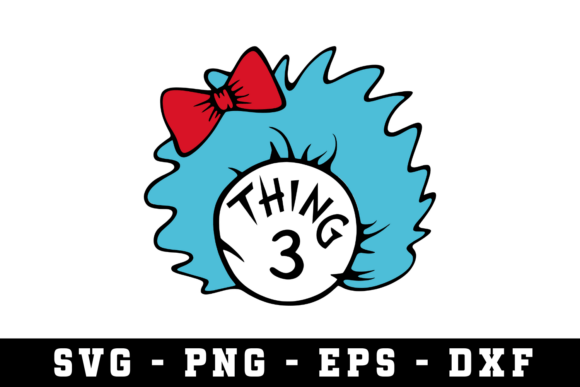
For apparel, such as T-shirts and hoodies, the clean lines of the Thing 3 design allow for precise heat transfer vinyl (HTV) cutting. The simplicity of the shape ensures that weeding—the process of removing excess vinyl—is straightforward, even for beginners. When applied to fabric, the bold silhouette stands out effectively, making it an ideal choice for casual wear or themed event outfits.
In contrast, applying the same design to hard surfaces like mugs and tumblers opens up new creative avenues. Here, durability and adhesion are key. Using permanent adhesive vinyl or specialized sublimation prints can turn everyday drinkware into personalized gifts. The vector nature of the SVG ensures that the design scales perfectly to fit curved surfaces without pixelation, maintaining a polished look that rivals retail products.
Expanding Your Product Line
For entrepreneurs and small business owners, diversification is essential for growth. Relying on a single product type can limit market reach, but a versatile cut file allows you to expand your inventory without designing new assets from scratch. Consider how the Thing 3 Svg Svg Cut File can be adapted for seasonal decor. During the holidays, these designs can be cut from cardstock to create intricate ornaments or layered paper cards. The precision of the SVG format ensures that delicate details are preserved, adding a touch of elegance to handmade greetings.
Wood signs represent another lucrative avenue. By using the DXF or SVG files with a laser cutter or CNC machine, you can create rustic or modern home decor pieces. Painting the cut wood in contrasting colors or leaving it natural for a minimalist aesthetic allows you to cater to different interior design trends. This flexibility means you can test different markets—such as nursery decor, party supplies, or educational tools—using the same foundational design.
Technical Precision and File Formats
Understanding the technical aspects of your digital assets is crucial for achieving consistent results. This listing includes a ZIP folder containing the following formats: SVG, PNG, EPS, and DXF. Each format serves a specific purpose in the crafting ecosystem.
- SVG (Scalable Vector Graphics): Ideal for most cutting machines like Cricut and Silhouette. It retains quality at any size and allows for easy color separation.
- PNG (Portable Network Graphics): Perfect for sublimation printing or digital designs where a transparent background is needed. It is a raster image, so scaling up too much may reduce quality.
- EPS (Encapsulated PostScript): A standard vector format used by professional design software like Adobe Illustrator. It is excellent for further editing or professional printing.
- DXF (Drawing Exchange Format): Compatible with older cutting software and CAD programs, ensuring broad accessibility for users with different technical setups.
Having access to multiple formats ensures that you are never limited by your software or hardware. If you are working with a specific program that prefers EPS over SVG, you have that option. If you need a quick print-ready image for a digital mockup, the PNG file is ready to go. This inclusivity makes the file suitable for both hobbyists using free software and professionals using industry-standard tools.
Practical Workflow Tips
To get the most out of your purchase, it is helpful to establish an organized workflow. Many users encounter issues immediately after download due to file compression. Q: How do I unzip the files? A: To unzip the files, you will need software such as WinZip or 7-Zip. You can download this software for free from their websites. Once you have installed the software, right-click on the zip file and select “Extract All” or “Extract Here”. You will then see the files in a folder.
Keeping your extracted files organized in dedicated folders on your computer or cloud storage can save significant time during future projects. Labeling folders by theme or project type helps maintain clarity, especially as your library of digital assets grows. Additionally, always preview the SVG in your cutting software before sending it to the machine. Check for any unintended nodes or overlapping paths that might cause cutting errors. A few minutes of preparation can prevent material waste and frustration.
Customization and Originality
While the provided design is complete and ready to use, true creativity often lies in customization. Use the SVG as a base layer and add text, additional graphics, or textures to make the piece uniquely yours. For educators, this could mean adding educational elements to create classroom decor. For marketers, it might involve integrating brand colors or logos into the design for promotional merchandise.
The key to standing out in a crowded marketplace is not just using popular designs, but interpreting them in fresh ways. Experiment with different materials, such as glitter vinyl, holographic film, or distressed wood. Combine the Thing 3 design with other elements to create complex compositions. By treating the cut file as a component rather than the final product, you unlock infinite possibilities for innovation.
Ultimately, the value of a digital cut file is measured by what you create with it. Whether you are making a single gift for a friend or producing hundreds of units for your online store, the quality of the source file matters. With the right tools, a bit of practice, and a willingness to experiment, you can transform simple vectors into cherished objects that bring joy to others and satisfaction to yourself.